

Only accessible via aircraft, dogsled, snowmobile and some boats, Iqaluit is situated in the hills overlooking the Koojesse Inlet. Iqaluit is located east of Nunavut\'s mainland and north of Quebec on Baffin Island.
Iqaluit, formerly known as Frobisher Bay, is the capital and administrative centre of Canada\'s newest territory, Nunavut. Recorded history of Iqaluit dates back to 1576, when Martin Frobisher arrived at this port city. A gateway to the secret world of the arctic north, this community is known for its Inuit-inspired architecture, most notably the igloo-shaped St. Jude\'s Anglican Church, and museums, including the Nunatta Sunakkutaangit Museum, which showcases an impressive collection of Inuit and Arctic items. Iqaluit also has a number of galleries showcasing Inuit art work. Visitor will enjoy exploring arctic landscape and ruins of structure built by the Thule people at nearby Qaummaarviit Territorial Historic Park.
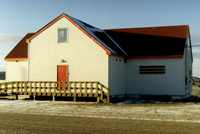
View the permanent exhibit of Inuit sculpture, prints and artifacts at the Nunatta Sunakkutaangit Museum.
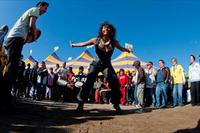
Alianait Entertainment Group is a non-profit organization designed to bring our community together to celebrate the arts.
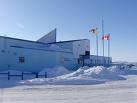
The place to view culturally-oriented, traditional displays aimed at locals and tourists alike.